Casey Newton spends his week talking to the people building AI, and he brought a room full of higher education leaders an uncomfortable message. Inside those companies, student safety and mental health are treated as unfortunate edge cases, staffed so the CEO never has to think about them. What counts as high stakes is revenue and user growth. His conclusion, delivered live at The Vineyard: nobody is coming to protect your students, so you had better do it yourself.
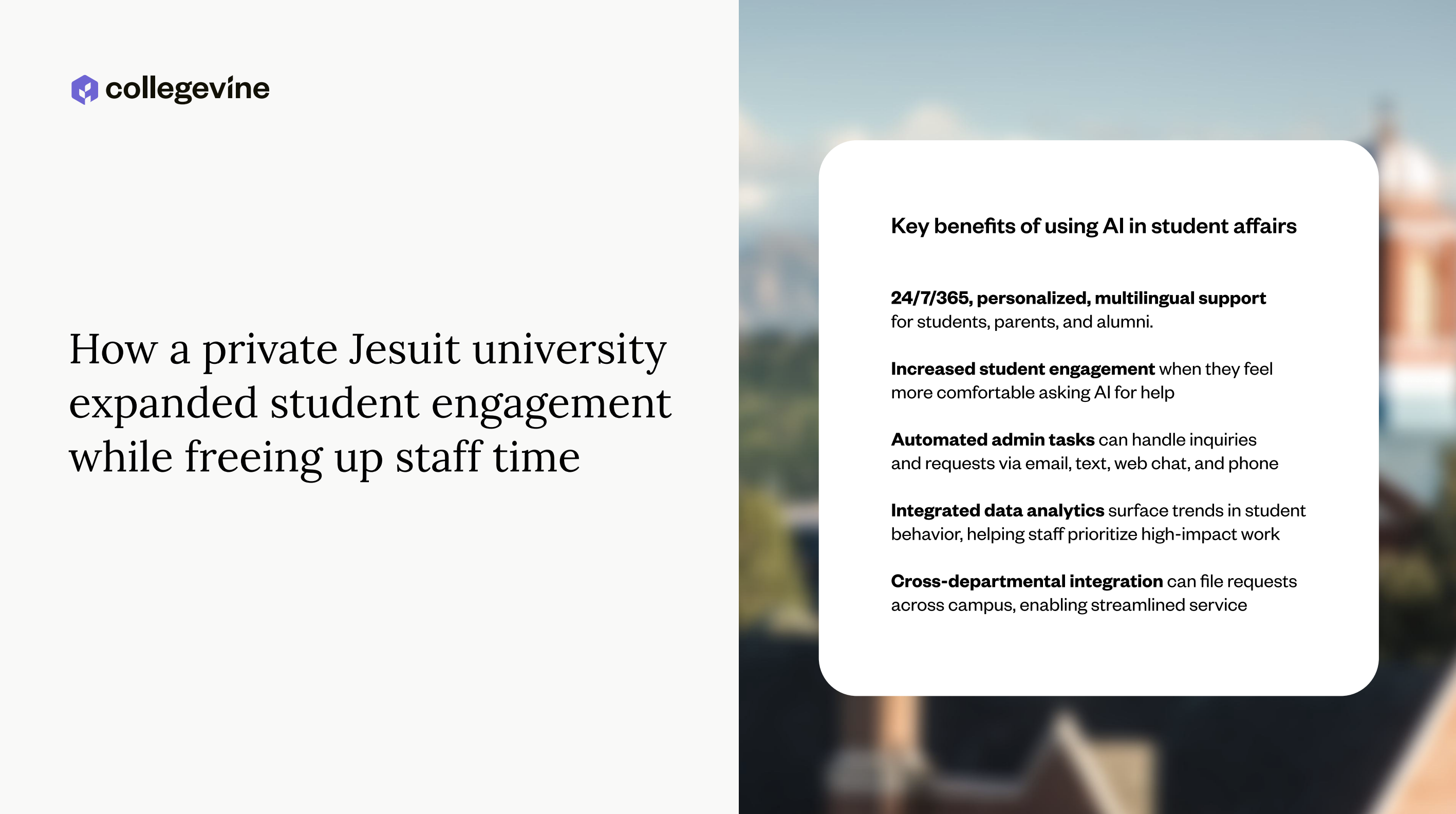
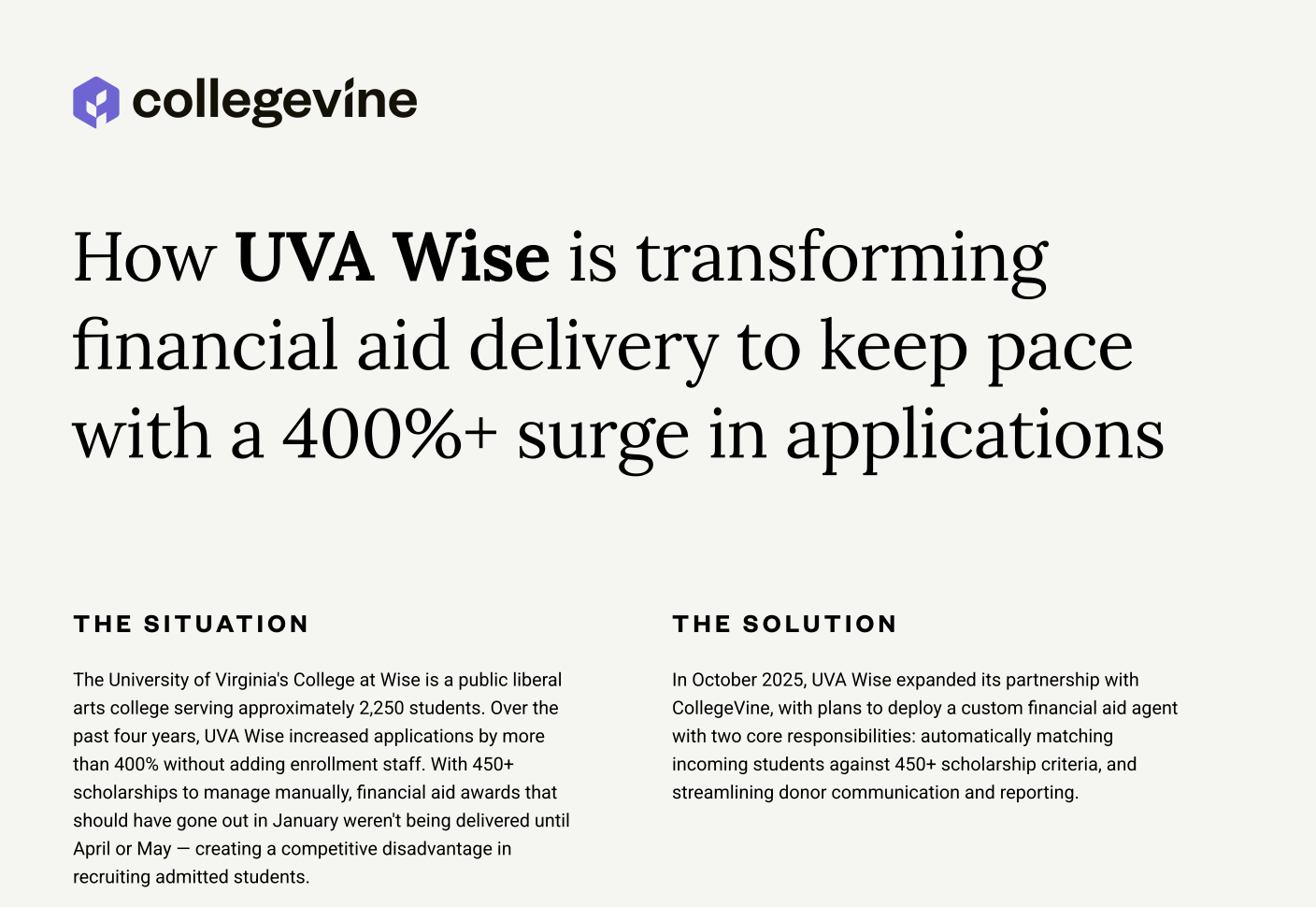
Newton founded Platformer and co-hosts Hard Fork. He has covered tech since 2010, which gives him a useful yardstick. Most of the transformations he has written about took three to five years to unfold. Most of what he told this audience only became possible last November. He also crammed on higher education the night before, and it shows in the specificity: financial aid agents, per-seat contracts, orientation-era chatbots, and what to do when a student in crisis types into a box at ten at night.
Highlights:
- The productivity paradox: executives report the most productive weekend of their lives while their staff report being tired of hearing about it
- Why AI-ing all the things fails, and the one financial aid workflow he would start with instead
- Per-seat pricing is moving to outcome-based pricing, and what that gives you in your next renewal
- The Salesforce question every Silicon Valley CEO wakes up asking
- Headless systems: what changes when nobody needs to learn your interface anymore
- His homework assignment, which is to build a personal website you never publish
- Why he assumes incoming students have been using AI companions for years already
- What he wants to happen the second a student in crisis reaches an agent instead of a person
- Governance as the best argument against building your own tools, and the shelf life on that answer
- Automating a task versus automating a job, and what employment numbers show so far
- Two opposite hiring stories: the founder with no room for juniors, and the CEO who added fourteen new job categories
- Why he thinks reading matters more now, not less
- The data trade he would happily make, and the line he draws at Palantir






.png)
.png)


.png)